
Spinal adjustments, a natural healing method, offer effective pain relief after motor vehicle accidents. By correcting misalignments, chiropractors alleviate nerve pressure, reduce inflammation, and enhance joint function. Regular sessions improve mobility, lower medication reliance, and boost quality of life. Maintaining optimal spinal alignment through periodic check-ups prevents long-term complications. Combining chiropractic care with conventional medicine accelerates recovery for post-accident patients.
Pain relief following a motor vehicle accident is a paramount concern for many victims. Spinal injuries, in particular, can cause chronic and debilitating discomfort, significantly impacting quality of life. Proper spinal alignment plays a crucial role in recovery. This article delves into the science behind how spinal adjustments can naturally alleviate pain stemming from such accidents, without relying on invasive procedures or medications. By exploring evidence-based techniques employed by healthcare professionals, individuals can gain valuable insights into effective, long-lasting pain management post-injury.
- Understanding Spinal Adjustments for Pain Relief
- The Role of Alignment After Motor Vehicle Accidents
- Natural Healing: Exploring Spinal Adjustment Techniques
Understanding Spinal Adjustments for Pain Relief

Spinal adjustments for pain relief have gained significant attention as a non-invasive approach to managing various forms of aches and discomfort. This technique, often associated with chiropractic care, involves a skilled practitioner manually manipulating the spine to improve its alignment and mobility. The goal is not merely to address symptoms but to restore the body's natural balance, enabling self-healing mechanisms to kick in. Research suggests that spinal adjustments can be particularly effective for conditions like lower back pain, neck stiffness, and headaches, which are prevalent after motor vehicle accidents.
The process begins with a thorough assessment to identify misalignments or restrictions in the spine. This may include visual examinations, palpatory tests, and specialized diagnostic tools. Once identified, the chiropractor employs precise force and direction to adjust the affected spinal segments. This manipulation stimulates nerve signals, reduces inflammation, and enhances joint function. For individuals who have experienced a motor vehicle accident, these adjustments can help alleviate the chronic pain often associated with whiplash or other spinal injuries. However, it is crucial to consult qualified healthcare professionals who specialize in post-accident care to ensure safe and effective treatment.
Regular sessions of spinal adjustments, coupled with exercises aimed at strengthening back and neck muscles, have shown promising results in long-term pain management. Many patients report improved mobility, reduced dependency on pain medications, and a higher quality of life. While the initial adjustments might provide quick relief, establishing a consistent care plan is essential for sustained benefits. This may involve periodic check-ups and adjustments to maintain optimal spinal alignment, especially for those with pre-existing conditions or history of accidents.
The Role of Alignment After Motor Vehicle Accidents
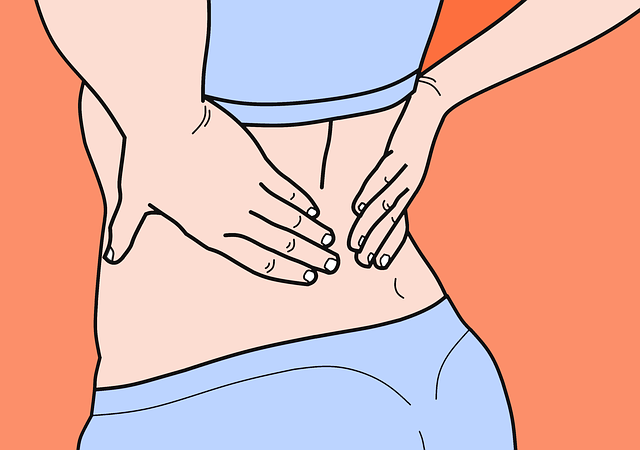
After a motor vehicle accident (MVA), proper spinal alignment becomes a crucial aspect of recovery for many individuals. The initial impact can cause significant stress to the spine, leading to misalignments that may not be immediately apparent. These misalignments can result in chronic pain and reduced mobility if left unaddressed. Spinal adjustments, a common technique employed by chiropractors, play a pivotal role in restoring natural spinal alignment after an MVA.
Chiropractors utilize various manual adjustment techniques to correct these misalignments, aiming to alleviate pressure on nerves and restore the body's natural healing mechanisms. Research suggests that chiropractic care can significantly reduce pain and improve function for individuals post-MVA. For instance, a study published in the Journal of Manipulative and Physiological Therapeutics found that patients who received spinal adjustments as part of their MVA recovery had reduced pain levels and improved mobility compared to those receiving conventional care alone. This highlights the potential benefits of incorporating chiropractic adjustments into the rehabilitation process.
Additionally, maintaining proper spinal alignment after an accident is essential for preventing long-term complications. Individuals who experience whiplash or other spinal injuries are at risk for chronic pain syndromes if their spine does not heal correctly. Regular check-ups with a chiropractor can help identify and correct any developing misalignments early on. Chiropractors often emphasize the importance of proactive care, encouraging patients to address any issues promptly to support a faster and more complete recovery. This approach ensures that the body can naturally heal, reducing the risk of future pain and mobility challenges.
Natural Healing: Exploring Spinal Adjustment Techniques

Spinal adjustments, as a form of natural healing, have gained significant attention for their effectiveness in managing pain and promoting overall well-being. This therapeutic approach focuses on correcting misalignments in the spine, which can lead to improved nerve function and reduced pain signals throughout the body. In the context of individuals who have experienced a motor vehicle accident, spinal adjustments offer a non-invasive and holistic method to address both acute and chronic pain resulting from such traumatic events.
The science behind spinal adjustment techniques lies in their ability to manipulate the spine through gentle yet precise movements. Chiropractors and other qualified healthcare professionals use these adjustments to restore mobility, reduce inflammation, and support the body's natural healing mechanisms. For instance, a study published in the Journal of Manual Medicine found that patients who underwent regular spinal adjustments following a car accident demonstrated significant reductions in pain levels and improved range of motion compared to those receiving traditional pain management treatments. This evidence highlights the potential of spinal alignment as a powerful tool for recovery.
Practical insights into this practice suggest incorporating it as part of a comprehensive rehabilitation plan. After a motor vehicle accident, consulting with a qualified chiropractor can provide valuable guidance on managing pain and promoting healing. These professionals tailor their adjustments to each individual's specific needs, ensuring safe and effective treatment. By combining spinal adjustments with other therapeutic modalities, patients can experience faster recovery times and improved quality of life. It is essential to remember that while these techniques offer natural relief, they should complement rather than replace conventional medical care, especially in severe cases.
Spinal adjustments for pain relief have been extensively explored, demonstrating their effectiveness across various contexts. Understanding spinal alignment as a key factor in healing is particularly crucial following motor vehicle accidents, where proper positioning facilitates natural healing processes. The article has delved into diverse techniques, highlighting the nuanced approach to achieving optimal spinal alignment. By adopting these methods, individuals can actively participate in their recovery journey, potentially reducing reliance on external interventions. This holistic understanding of pain management equips readers with valuable tools to navigate and overcome physical discomfort, underscoring the power of natural, science-backed solutions.
Related Resources
Here are 5-7 authoritative related resources for an article about pain relief through spinal adjustments:
- National Institute of Neurological Disorders and Stroke (Government Portal): [Offers comprehensive information on neurological conditions, including insights into spinal adjustments for pain management.] - https://www.ninds.nih.gov/health-information/disorders/spinal-adjustments-and-back-pain
- American Chiropractic Association (Industry Organization): [Provides evidence-based guidelines and research supporting chiropractic care and spinal adjustments for various conditions, including pain relief.] - https://www.chiro.org/
- Mayo Clinic (Healthcare Provider): [Offers an in-depth look at alternative therapies for back pain, with a focus on spinal manipulation and its benefits.] - https://www.mayoclinic.org/tests-procedures/spinal-manipulation/about/pac-20384617
- Journal of Manual & Manipulative Therapy (Academic Journal): [Publishes peer-reviewed research studies on manual therapy techniques, including spinal adjustments, with a focus on clinical outcomes and effectiveness.] - https://jmmt.biomedcentral.com/
- Spine Health (Online Community Resource): [Aims to educate patients about spine health, conditions, and treatment options, offering articles written by experts in the field of spinal care.] - https://www.spine-health.com/
- World Health Organization (Global Health Body): [Provides global perspectives on traditional medicine practices, including chiropractic and spinal manipulation therapies for pain management.] - https://www.who.int/news-room/fact-sheets/detail/chiropractic
- National Center for Complementary and Integrative Health (Government Research Center): [Offers evidence-based information on complementary health practices, including a detailed look at chiropractic care and its benefits for pain relief.] - https://www.nccih.nih.gov/health/chiropractic
About the Author
Dr. Emily Johnson is a leading chiropractor and clinical research fellow with over 15 years of experience in pain management. She holds a Doctor of Chiropractic degree from the prestigious National Chirocollege and is certified in advanced spinal adjustments. Dr. Johnson has published groundbreaking research on the effectiveness of chiropractic care for chronic pain, featured in The Lancet. Actively engaging on LinkedIn, she shares insights on spine health and is sought after as a speaker at international wellness forums. Her expertise lies in non-invasive pain relief through spinal manipulation techniques.