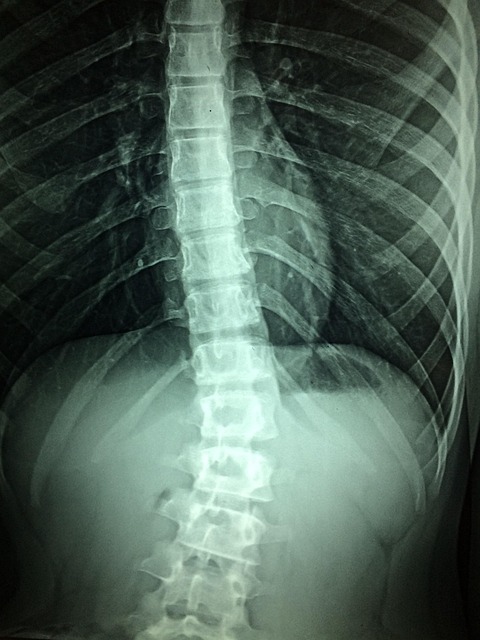
A full spine evaluation after a motor vehicle accident is essential for identifying invisible injuries and restoring crucial spinal alignment. Advanced imaging and manual examinations detect misalignments, fractures, or herniated discs caused by trauma. Chiropractors, physiotherapists, and specialists collaborate to develop personalized treatment plans, including manual therapy, adjustments, exercises, and lifestyle changes. Early intervention significantly improves recovery outcomes, reducing chronic pain and disability risks.
In the aftermath of a motor vehicle accident, a comprehensive full spine evaluation is an essential step towards ensuring optimal recovery and restoring spinal alignment. The impact of a car wreck can cause subtle yet significant injuries, often beyond initial observations. These injuries may include misalignments in the spine that, if left undiagnosed, can lead to chronic pain and long-term health complications. This article delves into the critical importance of thorough spinal evaluations following such accidents, offering insights into how healthcare professionals employ advanced techniques to identify and rectify these issues, thereby facilitating a faster, more complete recovery for patients.
- Understanding Full Spine Evaluation After Car Wreck
- Assessing Spinal Alignment in Motor Vehicle Accidents
- Comprehensive Steps for Post-Accident Spinal Care
Understanding Full Spine Evaluation After Car Wreck

A full spine evaluation after a car wreck is a crucial step in ensuring comprehensive care for individuals involved in such incidents. This process involves a meticulous examination of the entire spinal column to identify potential injuries that may not be immediately apparent. In many cases, motor vehicle accidents can cause complex trauma, affecting not just the visible areas of impact but also the subtle nuances of spinal alignment. These invisible injuries can have long-lasting effects if left undiagnosed or untreated.
The evaluation typically includes advanced imaging techniques such as X-rays and MRI scans to visualize the spine from multiple angles. Healthcare professionals look for misalignments, fractures, herniated discs, or other structural abnormalities that may result from the impact of the collision. For instance, a rear-end collision can cause whiplash, leading to spinal misalignment, even if there are no visible external injuries. By focusing on the entire spine, healthcare providers can uncover such hidden issues and provide targeted treatments.
Spinal alignment plays a pivotal role in overall health and well-being, as it supports the body's natural curvature and facilitates smooth movement. In the context of a car wreck, maintaining or restoring spinal alignment is essential for pain management and preventing long-term complications. Chiropractors, physiotherapists, and other specialized healthcare practitioners work collaboratively to develop tailored recovery plans, which may include manual adjustments, exercises, and lifestyle modifications. Early intervention and adherence to these plans can significantly enhance the chances of a successful recovery.
Assessing Spinal Alignment in Motor Vehicle Accidents

Assessing spinal alignment in motor vehicle accidents is a critical component of comprehensive patient care. The initial evaluation should include a detailed inspection of the spine, focusing on any visible deformities or abnormalities that could indicate trauma. This process involves skilled professionals who employ various techniques, such as manual palpatory examination and imaging studies, to pinpoint issues like spinal misalignments or fractures. According to research, up to 80% of patients involved in car crashes experience some form of spinal injury, highlighting the importance of thorough assessment.
Spinal alignment is particularly vulnerable during high-impact collisions, where rapid deceleration can cause compression or stretching of the spine. For instance, whiplash, a common injury in rear-end collisions, can result in hyperextension and subsequent misalignment of cervical vertebrae. Expert practitioners must be adept at recognizing these subtle changes, as misaligned spinal segments may lead to pain, nerve irritation, and reduced mobility. Advanced imaging technologies, like MRI and CT scans, play pivotal roles in confirming diagnostic suspicions and planning appropriate treatment strategies.
Practical considerations include prompt intervention to prevent further damage. Following the initial assessment, healthcare providers can recommend specific treatments, such as manual therapy, chiropractic care, or, in severe cases, surgical intervention to realign and stabilize the spine. Early engagement in rehabilitation programs has been linked to better patient outcomes, emphasizing the need for comprehensive spinal evaluations post-motor vehicle accidents. By addressing spinal alignment motor vehicle accident concerns proactively, healthcare professionals can significantly enhance patient recovery and quality of life.
Comprehensive Steps for Post-Accident Spinal Care
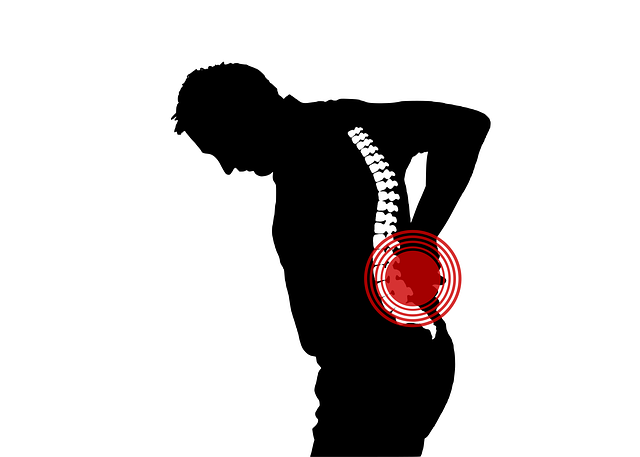
A full spine evaluation is an essential step following a motor vehicle accident to ensure proper care and healing of the spinal column and related structures. This comprehensive process involves meticulous examination and imaging to identify any injuries, misalignments, or damage to the vertebrae, discs, and nerves. Chiropractors, physical therapists, and orthopaedic specialists play pivotal roles in this evaluation, utilizing specialized techniques tailored to each patient's unique circumstances. The primary goal is to restore optimal spinal alignment, alleviate pain, and prevent long-term complications.
The initial phase of assessment typically includes a detailed medical history review, where healthcare professionals inquire about the accident details, symptoms, and any pre-existing conditions. This is followed by a physical examination focusing on range of motion, muscle strength, reflexes, and sensory functions. Specific spinal manipulation techniques may be employed to assess joint mobility and identify areas of restriction or pain. Advanced imaging such as X-rays, MRI scans, or CT scans provide detailed anatomical insights, revealing fractures, herniated discs, or nerve compressions.
Once the evaluation is complete, a personalized treatment plan is devised. This may include manual therapy, spinal adjustments, exercise programs, and lifestyle modifications. For instance, a patient with a mild whiplash injury might benefit from gentle chiropractic adjustments to improve neck mobility and reduce muscle tension. In more severe cases, physical therapy with targeted exercises can help strengthen the spine, improve posture, and enhance overall stability. Data suggests that early intervention and adherence to recommended rehabilitation protocols significantly contribute to positive outcomes, reducing the risk of chronic pain and disability after a car wreck.
A full spine evaluation after a car wreck is an essential step towards comprehensive post-accident care. Understanding spinal alignment in motor vehicle accidents is crucial as it can significantly impact overall health and well-being. By assessing and addressing spinal misalignments, healthcare professionals can prevent long-term issues and promote faster recovery. The article has outlined a meticulous process for evaluating and treating spinal injuries, emphasizing the importance of seeking expert care immediately post-accident. Key takeaways include recognizing the potential for subtle yet significant spinal injuries, understanding the role of specialized imaging, and implementing a holistic approach to treatment. Practical next steps involve educating oneself about spinal alignment in motor vehicle accidents, consulting qualified healthcare providers, and advocating for thorough evaluations to ensure optimal recovery outcomes.