
Car accidents frequently cause spinal trauma leading to neck and back injuries. Prompt evaluation by specialists like chiropractors or physical therapists is crucial for restoring natural spinal curvature and mobility. Rehabilitation involves diagnostic imaging, personalized treatment plans (e.g., chiropractic adjustments, exercises), and adherence to prescribed regimens. Early intervention significantly improves recovery outcomes and reduces long-term disability. Proactive care, including regular check-ups, is vital for reclaiming physical well-being after a motor vehicle accident, focusing on spinal alignment motor vehicle accident naturally.
Motor vehicle accidents can cause significant trauma, often impacting the spine and nervous system. Realigning the spine after such an incident is crucial for recovery and restoring optimal function. Spinal misalignments resulting from accidents can lead to chronic pain, reduced mobility, and even long-term neurological issues if left unaddressed. Chiropractors and other healthcare professionals play a vital role in helping individuals recover by employing natural techniques to realign the spine, offering a non-invasive approach to healing and ensuring the body's innate self-healing mechanisms can take effect. This article delves into the science and strategies behind this effective recovery method.
- Understanding Spinal Alignment After Car Accidents
- Natural Healing Techniques for Optimal Recovery
- Realigning Your Spine: A Step-by-Step Guide
Understanding Spinal Alignment After Car Accidents
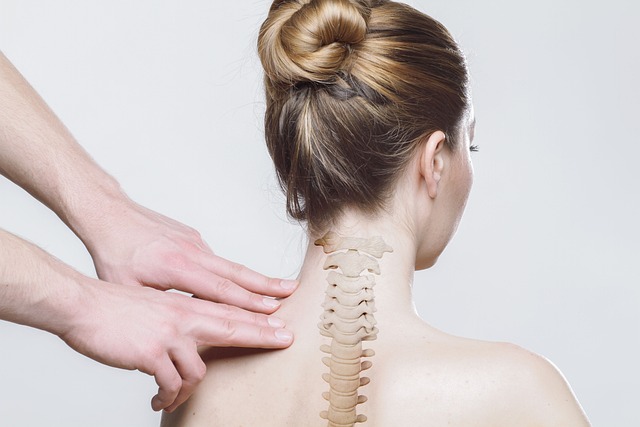
Car accidents can cause significant trauma, affecting various parts of the body, including the spine. Understanding spinal alignment after a motor vehicle accident is crucial for comprehensive recovery. The impact forces generated during a collision can disrupt the natural curvature and mobility of the spine, leading to conditions like whiplash or more severe injuries. Research shows that up to 80% of people involved in car accidents experience some form of neck or back pain, highlighting the importance of addressing spinal alignment post-trauma.
Spinal alignment is the intricate interplay between the vertebrae, discs, and surrounding muscles, nerves, and ligaments. A minor misalignment can affect overall posture and body mechanics, potentially causing chronic pain and reducing quality of life. After a car accident, it's essential to have a thorough evaluation by healthcare professionals who specialize in spine-related issues. Chiropractors, osteopaths, and physical therapists are often key players in rehabilitating spinal alignment naturally. These experts use techniques like manual adjustments, therapy exercises, and postural reeducation to restore normal spinal function.
The process of realigning the spine after an accident involves several steps. Initially, diagnostic imaging, such as X-rays or MRIs, helps identify the extent of damage or misalignment. Then, a personalized treatment plan is developed, focusing on pain management and improving spinal mobility. For instance, gentle chiropractic adjustments can help correct subluxations (misaligned vertebrae) while strengthening exercises target supporting muscles. It's important to adhere to the prescribed regimen, as hasty returns to normal activities may exacerbate injuries. Data suggests that early, appropriate intervention significantly enhances recovery outcomes, reducing long-term disability and improving spinal alignment motor vehicle accident naturally.
Proactive care is key to reclaiming physical well-being after a car accident. Patients should be educated on the importance of maintaining open communication with their healthcare team throughout the healing process. Regular check-ups ensure that any emerging issues are promptly addressed, minimizing the risk of chronic pain and promoting optimal spinal alignment. Remember, recovery from spinal trauma is a journey, requiring patience, consistency in care, and a holistic approach that considers physical, emotional, and psychological aspects of healing.
Natural Healing Techniques for Optimal Recovery

Realigning your spine after a car accident can significantly contribute to a natural, effective recovery process. The initial shock of a motor vehicle accident often leads to muscle spasms and misalignments in the spinal column, causing acute pain and discomfort. While professional medical intervention is essential for immediate care, adopting natural healing techniques alongside conventional treatments accelerates the body's inherent ability to heal itself.
One such technique is chiropractic care, which focuses on correcting spinal misalignments through gentle adjustments. Chiropractors use their expertise to identify areas of disruption in the spine and apply specific manipulation techniques to restore mobility and nerve function. Regular adjustments can help alleviate pain, reduce inflammation, and improve overall spinal alignment naturally over time. Research supports this approach; a study published in the Journal of Chiropractic Medicine found that chiropractic care effectively reduced pain and improved functionality in patients post-motor vehicle accidents.
In conjunction with chiropractic treatments, incorporating exercises that target core muscles and promote good posture can be immensely beneficial. Engaging in activities like yoga or Pilates, for instance, strengthens the spine's supporting muscles while increasing flexibility. These practices encourage a mindful awareness of one's body, helping to correct postural habits formed during the accident or as a result of prolonged recovery. Combining these natural healing techniques with patient education empowers individuals to take an active role in their recovery journey, fostering a sense of control and well-being during what can be a challenging period.
Realigning Your Spine: A Step-by-Step Guide
After a car accident, it's not uncommon for individuals to experience spinal alignment issues due to the sudden impact and forces involved. Realigning your spine naturally post-trauma is a crucial step in recovery and can significantly alleviate pain and improve overall mobility. This guide offers a structured approach to help you navigate this process effectively.
The initial assessment is key. Following the accident, seek medical attention promptly. Chiropractors or physical therapists are trained to assess spinal misalignments using various techniques like palpation, imaging, and specialized testing. They can identify areas of subluxation (partial dislocation) or spinal injury, which require specific care. A comprehensive exam ensures a tailored treatment plan addressing your unique needs.
Realignment involves gentle adjustments to correct any misaligned vertebrae. Chiropractors often employ techniques like manual adjustment, where they use their hands to apply controlled force and restore joint motion. This safe and effective method can realign the spine, alleviate pressure on nerves, and promote natural healing. Some people may also benefit from additional modalities such as heat/cold therapy, massage, or specific exercises tailored to strengthen spinal support muscles.
Consistency is vital for long-term benefits. Regular sessions with a qualified healthcare provider can help maintain spinal alignment motor vehicle accident naturally. Incorporate daily self-care practices, including stretching and strengthening exercises targeting the spine and core. Over time, these combined efforts can enhance your body's inherent ability to recover and adapt, leading to improved posture, reduced pain, and increased mobility. Remember, each individual's recovery journey is unique, so consult with experts for personalized guidance throughout.
After a car accident, achieving spinal alignment naturally is a crucial step towards optimal recovery. By understanding the impact of such traumas on the spine and employing natural healing techniques, individuals can enhance their path to healing. The article has provided valuable insights into the process, offering a comprehensive guide for realigning the spine post-accident. Key takeaways include recognizing the importance of maintaining proper spinal alignment, exploring non-invasive healing methods like chiropractic care and posture adjustments, and understanding the step-by-step process of spinal realignment. With these strategies, readers are equipped to actively participate in their recovery journey, promoting faster healing and a return to daily activities with improved wellness. This authoritative guide underscores the power of natural, targeted interventions for managing spinal alignment after motor vehicle accidents.