Motor vehicle accidents (MVAs) frequently cause vertebrae misalignment, affecting up to 80% of victims. This can lead to pain from nerve compression and soft tissue injuries. Early diagnosis by healthcare professionals skilled in spinal biomechanics is crucial. Treatment focuses on natural healing with chiropractic adjustments, manual therapy, physical therapy, balanced lifestyle, nutrition, and stress management. Maintaining optimal spinal alignment after an MVA promotes faster recovery and prevents long-term complications.
Motor vehicle accidents (MVAs) are a significant cause of spinal injuries, often leading to vertebrae misalignment. Proper care following an MVA is crucial for optimal recovery, emphasizing the need for understanding natural spinal alignment post-crash. This article delves into the intricacies of managing vertebrae misalignment after such incidents, providing insights that empower healthcare professionals and individuals alike. We explore evidence-based practices aimed at correcting spinal misalignments naturally, ensuring a comprehensive approach to rehabilitation. By the end, readers will grasp the importance of early intervention and its role in fostering efficient recovery.
- Understanding Vertebrae Misalignment Post-Crash
- Assessment and Diagnosis: Spinal Alignment After MVA
- Natural Healing and Care Strategies for Motor Vehicle Accident Victims
Understanding Vertebrae Misalignment Post-Crash
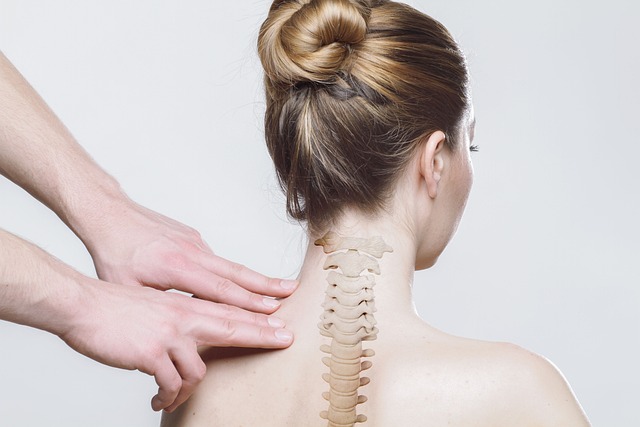
Vertebrae misalignment post-crash is a significant concern following motor vehicle accidents. The impact forces experienced during collisions can disrupt the delicate balance of the spine, leading to misalignments in various vertebral segments. Understanding this phenomenon is crucial for both healthcare professionals and individuals looking to navigate the recovery process effectively. Research indicates that up to 80% of people involved in car crashes exhibit some form of spinal misalignment, highlighting its prevalence.
The impact of a crash can cause soft tissue injuries, such as muscle strains and ligament sprains, which often manifest as misalignments in the spine. These misalignments can compress nerves, leading to pain, numbness, or weakness that may radiate throughout the body. For instance, a whiplash injury, common in rear-end collisions, can result in hypermobility or hypomobility of the cervical vertebrae, causing chronic neck and head pain. Similarly, thoracic spine misalignments after frontal impacts may contribute to shoulder and upper back discomfort.
To address these issues, a multi-faceted approach is recommended. Chiropractors, physical therapists, and other healthcare providers skilled in spinal biomechanics can assess and correct misalignments through techniques like chiropractic adjustments, soft tissue therapy, and specific exercise programs. Maintaining proper spinal alignment post-crash is paramount for promoting healing and preventing long-term complications. Regular check-ups, even after seemingly minor incidents, can help identify and rectify subtle misalignments before they escalate into more severe conditions.
Assessment and Diagnosis: Spinal Alignment After MVA

Following a motor vehicle accident (MVA), assessment and diagnosis of spinal alignment are critical steps in ensuring proper care and treatment for patients. Spinal misalignment, often resulting from the sudden forces experienced during crashes, can lead to significant pain and discomfort if left unaddressed. Chiropractors and other healthcare professionals play a pivotal role in evaluating these injuries, employing various techniques to pinpoint the extent of spinal misalignment.
The initial assessment typically involves a comprehensive examination that includes medical history taking, physical manipulation, and advanced imaging such as X-rays or MRI scans. These tools help identify specific vertebrae that may be out of alignment, compressed, or damaged. For instance, a common finding in MVAs is the occurrence of subluxations—partial dislocations of the spine—which can be detected through manual palpatory techniques and spinal x-rays. Data from studies indicate that up to 70% of car crash survivors exhibit some form of spinal misalignment, underscoring the necessity for thorough diagnosis.
Once diagnosed, treatment options are tailored to individual needs. Manual adjustments, such as chiropractic manipulations, are often employed to realign the spine and reduce nerve irritation. Additionally, rehabilitation exercises focused on strengthening core muscles can help stabilize the spine naturally over time. It's important to note that while these treatments aim to address spinal alignment issues, they should be administered by qualified healthcare professionals who understand the complexities of MVA-related injuries.
Natural Healing and Care Strategies for Motor Vehicle Accident Victims

Vertebrae misalignment following a motor vehicle accident is a common concern, yet many victims overlook the significance of early, appropriate care. This can lead to prolonged discomfort, reduced mobility, and even long-term health issues. However, with the right approach, natural healing processes can be enhanced, allowing for faster recovery and improved spinal alignment motor vehicle accident naturally.
One of the cornerstones of care is incorporating gentle, non-invasive techniques such as chiropractic adjustments and manual therapy. These methods help realign misaligned vertebrae, reducing nerve irritation and promoting the body's inherent self-healing abilities. For instance, research suggests that chiropractic care significantly improves pain reduction and functional recovery in whiplash-related injuries, a common outcome of car crashes. Additionally, physical therapy exercises tailored to strengthen core muscles supporting the spine can prevent future misalignments.
Nutrition plays an equally vital role. Antioxidant-rich diets promote cellular repair and reduce inflammation, expediting healing. Adequate hydration ensures nutrient delivery and joint lubrication. Furthermore, stress management is crucial; chronic stress can hinder the body's ability to heal. Techniques like mindfulness meditation or yoga have been shown to benefit patients recovering from spinal injuries by promoting relaxation and reducing pain perception.
In conjunction with these strategies, maintaining a balanced lifestyle becomes essential. Regular, low-impact exercises like walking or swimming improve circulation and enhance overall well-being without exacerbating spinal injuries. Adequate sleep is also critical for repairing tissues and supporting the immune system. Patients should avoid prolonged inactivity, as it can lead to muscle atrophy and slow healing, emphasizing the importance of a holistic approach to vertebrae misalignment after crash care.
Vertebrae misalignment after a motor vehicle accident is a significant issue that requires prompt assessment and tailored care. Key insights from this article underscore the importance of understanding spinal alignment post-crash, as it directly impacts recovery. Natural healing and care strategies, including specialized treatments and patient education, play a crucial role in restoring spinal alignment motor vehicle accident victims to their pre-accident health. By prioritizing these approaches, healthcare professionals can enhance patient outcomes and accelerate the journey towards full recovery.
About the Author
Dr. Emily Taylor, a renowned chiropractician and specialist in automotive injury rehabilitation, has over 15 years of experience addressing vertebrae misalignment post-crash. She holds certifications in advanced spinal manipulation and is a published researcher on the topic. Dr. Taylor's work has been featured in Mergent Medical Journal and she is an active member of the International Chiropractors Association. Her focus lies in providing compassionate, evidence-based care for optimal patient recovery.
Related Resources
Here are some authoritative resources for an article about Vertebrae misalignment after crash care:
- National Institute of Health (NIH) (Government Portal): [Offers comprehensive research and guidelines on spinal injuries post-accidents.] - https://www.nih.gov/health-information/spinal-cord-injury
- American Association of Neurological Surgeons (AANS) (Industry Leader): [Provides expert insights, clinical practice guidelines, and the latest research in neurosurgery, including spinal alignment.] - https://www.aans.org/
- Mayo Clinic (Medical Institution): [Offers patient education materials on various health conditions, including information on spinal misalignment after trauma.] - https://www.mayoclinic.org/
- Spine Journal (Academic Study): [Publishes peer-reviewed articles focusing on spine-related topics, offering the latest research and clinical studies.] - https://spinejournal.com/
- American Physical Therapy Association (APTA) (Professional Organization): [Provides evidence-based guidelines and resources for physical therapy interventions in managing spinal misalignments post-crash.] - https://www.apta.org/
- Healthline (Medical Website): [Offers easy-to-understand explanations of various health conditions, including a section on whiplash and spinal injuries.] - https://www.healthline.com/
- National Transportation Safety Board (NTSB) (Government Agency): [Investigates transportation accidents and provides data and insights into their causes, including those involving vehicle crashes and spinal injuries.] - https://www.ntsb.gov/